
TMJ & Orofacial Pain
Jaw pain is rarely just about the jaw.
The jaw is part of a larger system involving the TM joints, muscles, teeth, bite, tongue, neck, posture, airway, sleep, and daily habits.
Does This Sound Familiar?
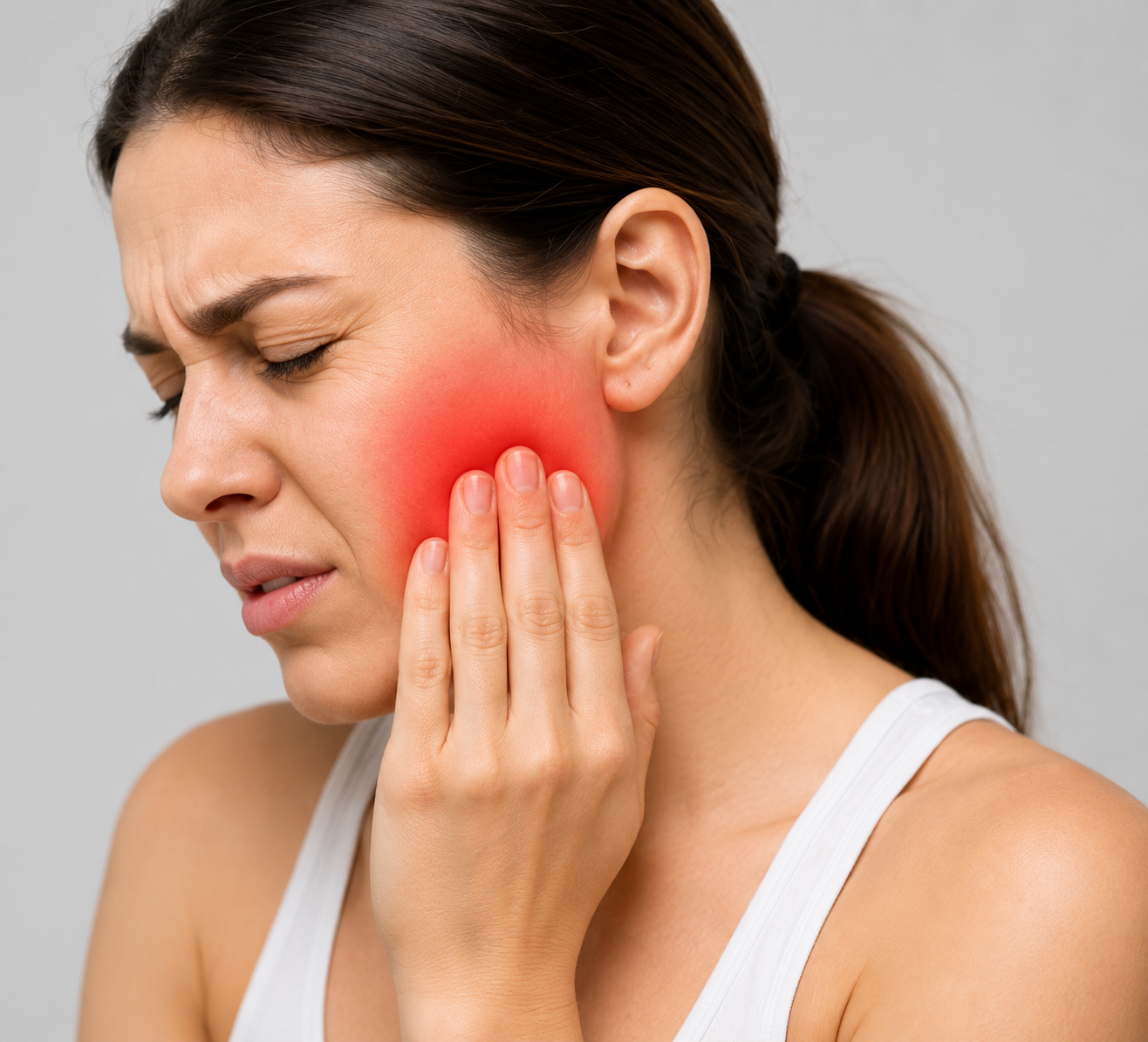
Patients may come to us with:
- Jaw pain or soreness
- Clicking or popping
- Limited or uncomfortable opening
- Clenching or grinding
- Morning jaw tightness
- Facial muscle fatigue
- Headaches or temple pressure
- Ear fullness or discomfort
- Neck or shoulder tension
- Pain with chewing or prolonged talking
- Tooth wear or fractures
- Symptoms that worsen after jaw activity
Headaches Are Not All the Same
Head pain can have many causes.
Primary headache disorders include migraine, tension-type headache, and cluster headache, while secondary headaches can come from medical causes such as trauma, vascular conditions, or other disease processes.
When the jaw may be part of the picture
TMJ-related orofacial pain may be more likely when headaches occur together with:
- Jaw tension or soreness
- Clenching or grinding
- Clicking, popping, or locking
- Limited opening
- Pain after chewing or talking
- Morning jaw tightness
- Temple or facial muscle tenderness
- Neck and shoulder tension
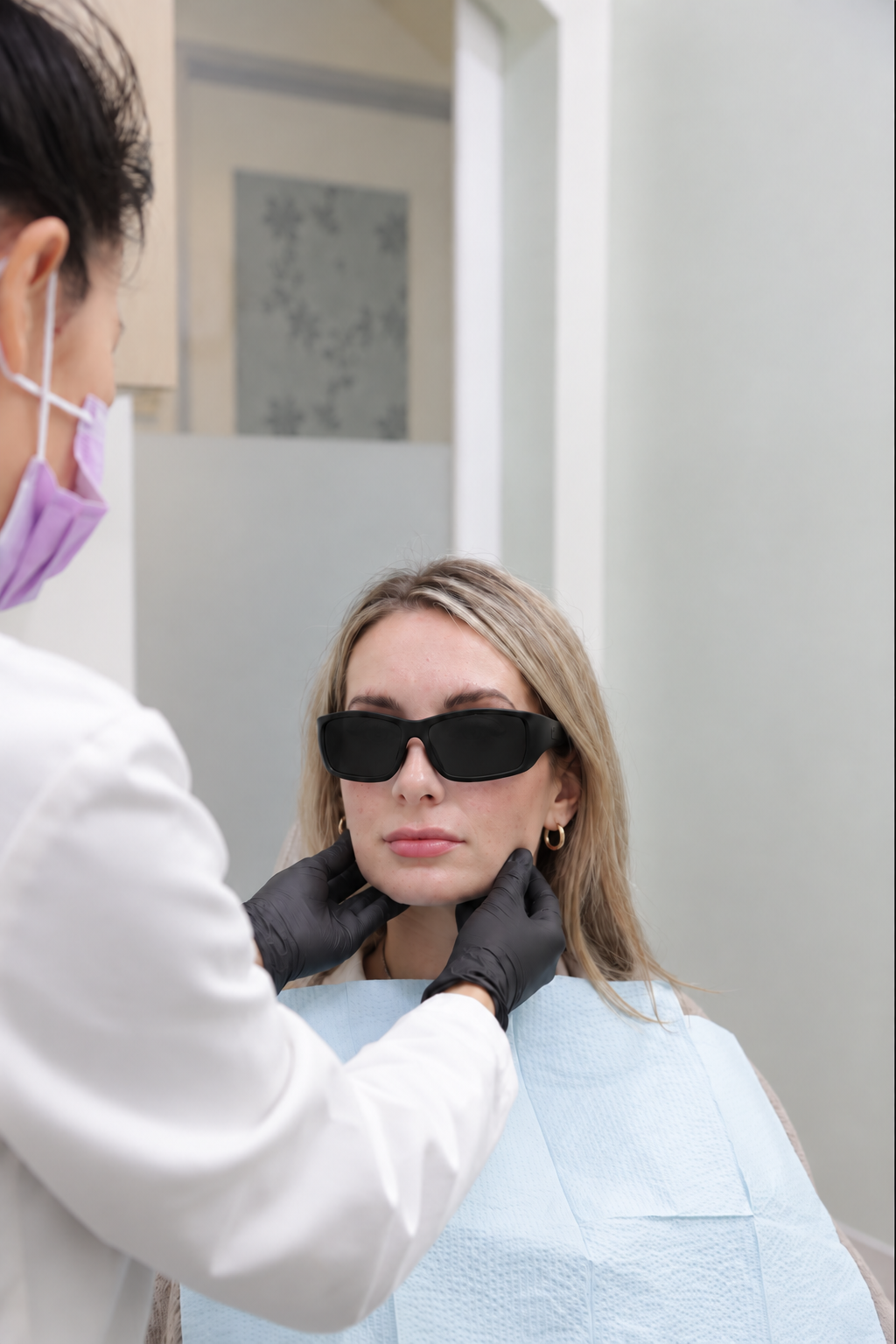
TMD-related headaches are often associated with the complex interaction of the jaw joints, facial muscles, and cervical muscles.
Not every headache is a TMJ headache. Our role is to identify whether the jaw system appears to be contributing—and refer when the pattern suggests something outside our scope.
Looking at the Whole System
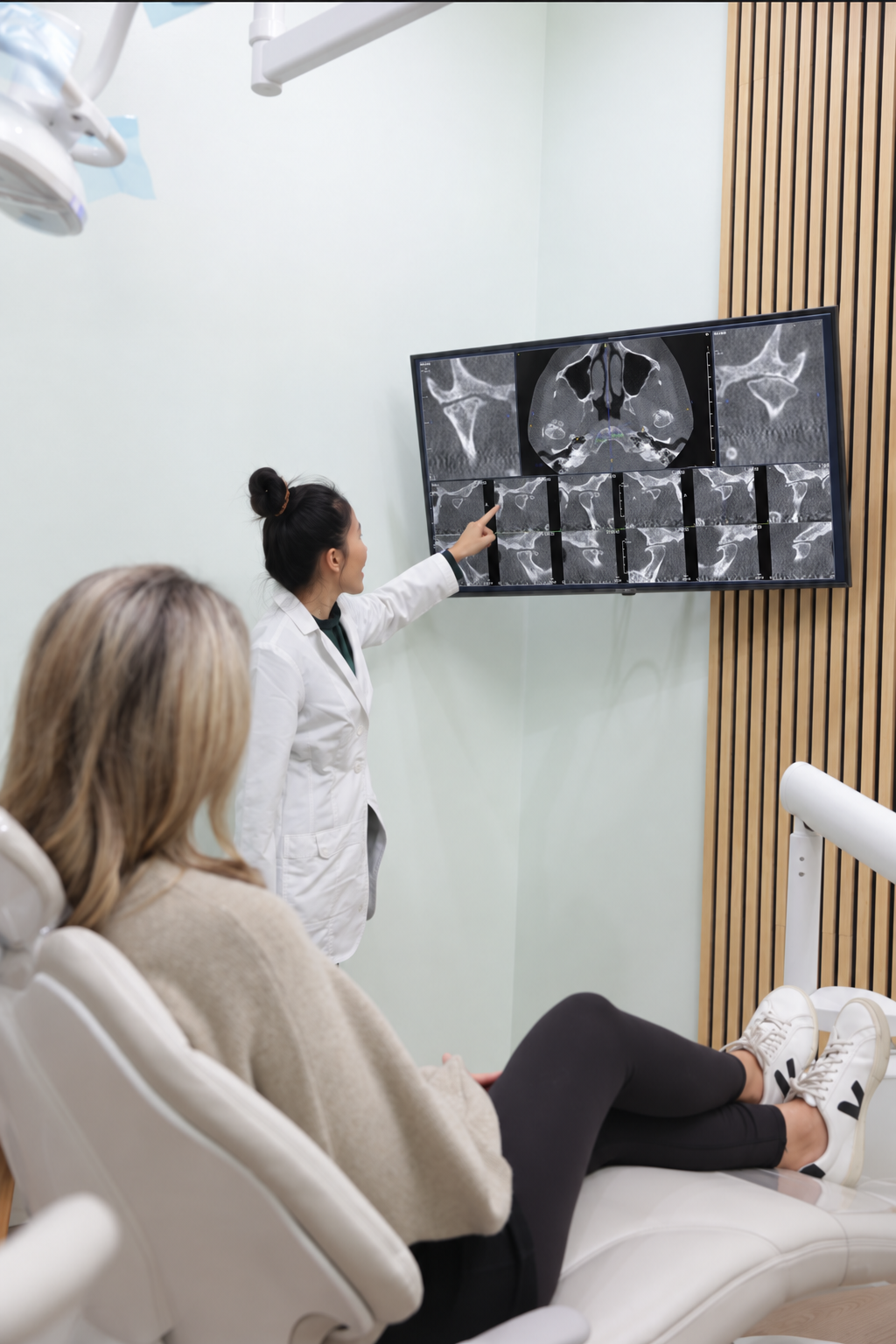
Pain is often multifactorial. Jaw and facial pain can come from more than one source, so we look at the system as a whole:
Joint — clicking, locking, restricted movement, or pain around the TM joint
Muscles — clenching, fatigue, tenderness, temple pain, or facial soreness
Teeth & Bite — wear, fractures, grinding forces, restorations, or bite changes
Head, Neck & Posture — headaches, neck tension, shoulder tightness, or forward-head posture
Tongue & Orofacial Function — tongue posture, swallowing patterns, oral habits, and muscle coordination
Sleep & Airway — morning symptoms, grinding, poor sleep, snoring, or other breathing-related concerns
Different symptoms can come from different sources. Treatment should follow the source of the problem.
Treatment Follows the Source
Treatment depends on what appears to be driving the problem. Most care fits into three areas:
1. Stabilize the Jaw
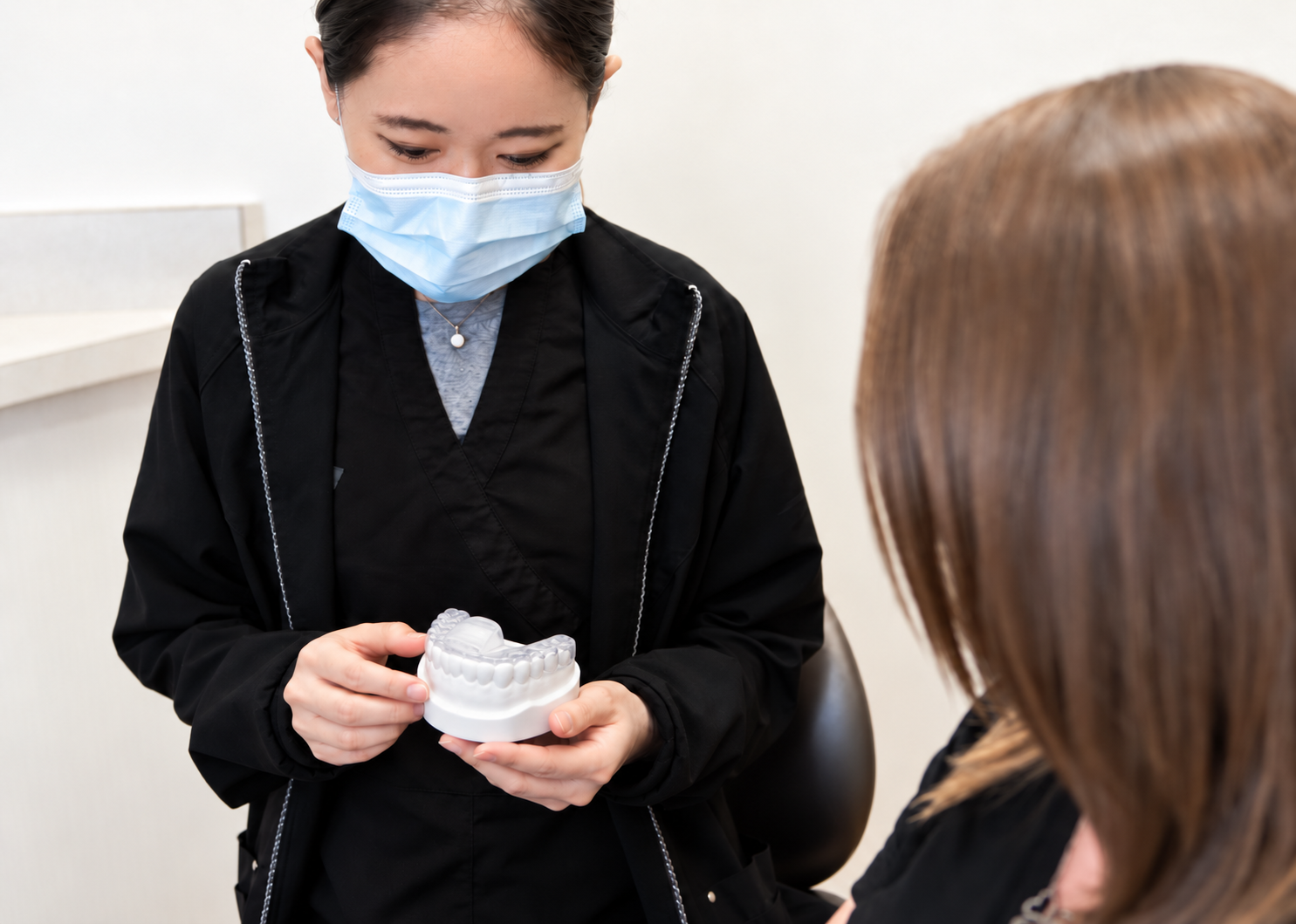
For joint or bite-related concerns, we may use a custom TMD splint designed to support jaw stability, muscle balance, and occlusal management.
2. Support the Muscles
For a stronger muscular component, care may include EMFACE® Functional TMJ, Celluma® photobiomodulation, or physical therapy collaboration to support muscle recovery, circulation, posture, and function.
3. Address Contributing Factors
When needed, we may also look at sleep and airway, tongue and orofacial function, posture, or other medical factors and coordinate care with the appropriate provider.
The goal is not to use every treatment. It is to identify the main driver and choose the simplest plan that makes sense.
Nightguard vs. TMJ Treatment
- They serve different purposes.
- A nightguard is mainly designed to protect the teeth and dental work from wear or grinding forces.
- A TMJ evaluation and treatment plan goes further when symptoms involve the jaw joint, muscles, headaches, limited movement, sleep, or other contributing factors.
- Sometimes protection is enough. Sometimes the joint and muscles need more than a guard alone.
TMJ, Grinding & Sleep
- Grinding does not always mean “stress.” - Stress can absolutely contribute to clenching, but it is not the only factor.
-
For some patients, grinding may occur alongside: snoring, fragmented sleep, morning headaches, waking unrefreshed or airway-related breathing concerns
- Not everyone who grinds has sleep apnea. But when the signs are there, we believe it is worth screening
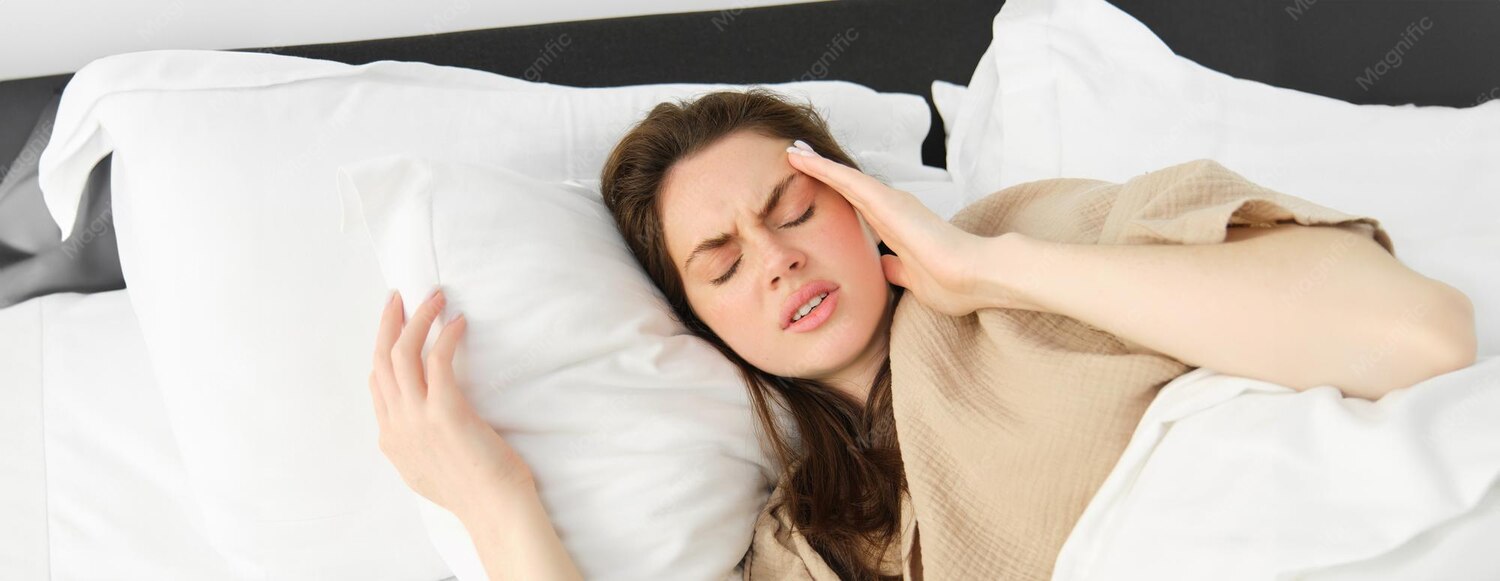
You Do Not Have to Guess Where the Pain Is Coming From.
-
Jaw pain, headaches, facial tension, neck discomfort, and grinding can overlap.
We start by identifying the pattern, understanding what appears to be contributing, and building a plan around the source—not just the symptom.
The Natural Focus Difference
- Our goal is not simply to quiet a symptom. We want to understand whether the issue appears to be primarily related to the joint, muscles, teeth, bite, habits, airway—or a combination of factors. Then we select the tools that make sense.
- Protect the teeth. Support the muscles. Understand the system. Improve function.