SLEEP & AIRWAY
Better Breathing Can Change the Way You Sleep, Recover, and Feel
Sleep & Airway Screening
Our evaluation may include:
● Oral and airway examination
● Tongue and palate assessment
● Bite and jaw relationship
● Sleep and breathing history
● 3D CBCT imaging when clinically appropriate
● Screening for snoring and sleep-disordered breathing
● Coordination with a sleep physician for diagnostic testing when indicated
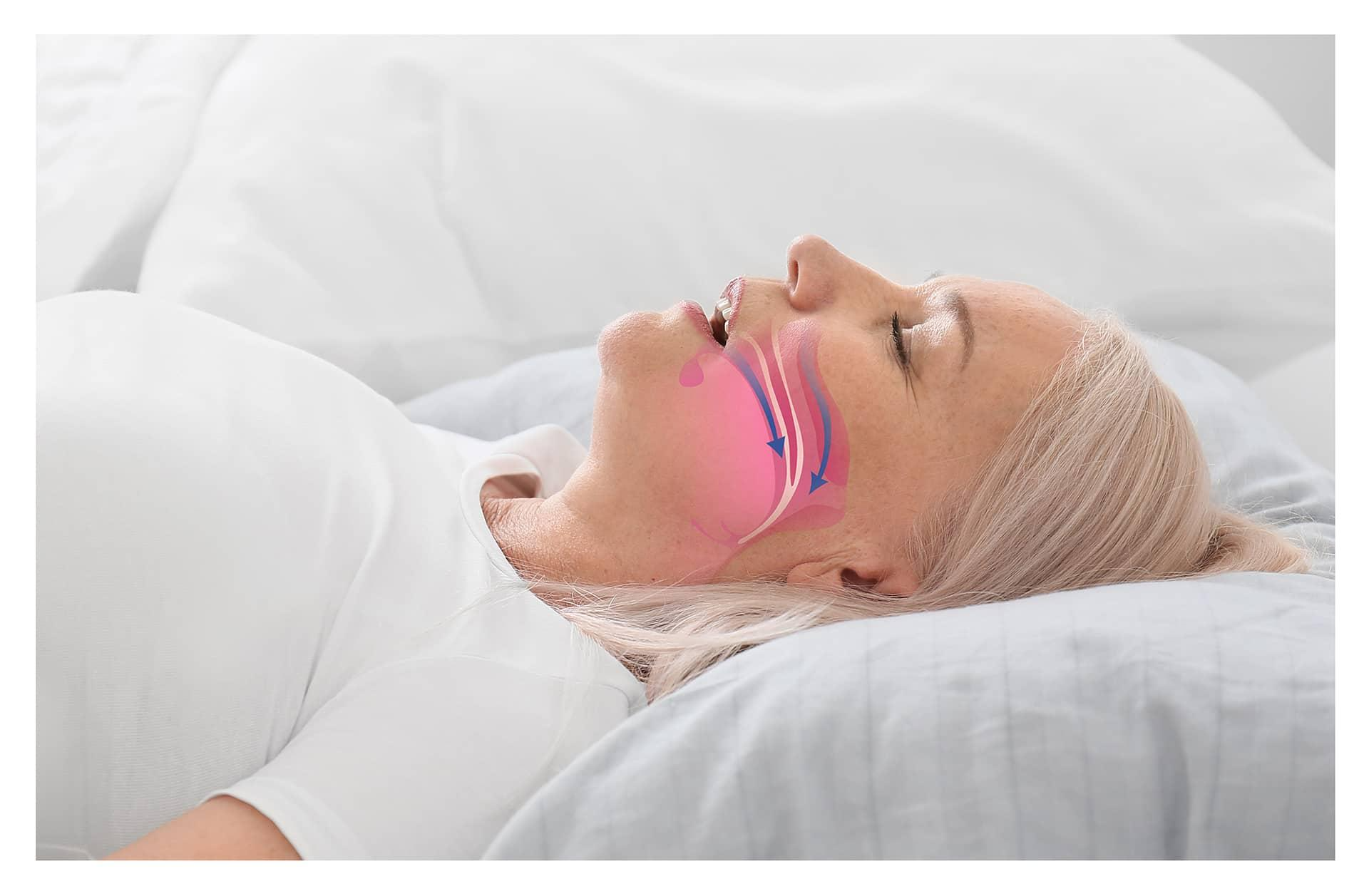
CBCT can help us understand anatomy and airway dimensions, but sleep apnea itself is
diagnosed through appropriate medical sleep evaluation.
- Understand the airway. Understand the person. Then build the plan.
Oral Appliance Therapy
- For appropriately diagnosed patients, a custom oral appliance may be used to help support the airway during sleep. The appliance gently positions the lower jaw forward, helping maintain a more open upper airway. We also monitor the teeth, bite, jaw comfort, and long-term oral health throughout treatment.
Supporting More Than the Airway
Sleep-disordered breathing is often multifactorial.
Depending on the individual, we may also incorporate or coordinate:
● Myofunctional therapy
● Nasal-breathing support
● TMJ and jaw-muscle care
● Weight and metabolic support
● Lifestyle guidance
● ENT or medical collaboration
The goal isn’t to give every patient the same appliance.
- It's to understand which pieces of the sleep-health puzzle matter for you.


Weight, Metabolic Health & GLP-1 Support
The goal may include supporting:
● Sustainable weight-management goals
● Metabolic wellness
● Lifestyle change
● Better overall health
● Reduction of weight-related factors that may contribute to sleep-disordered breathing
A More Complete Sleep Strategy
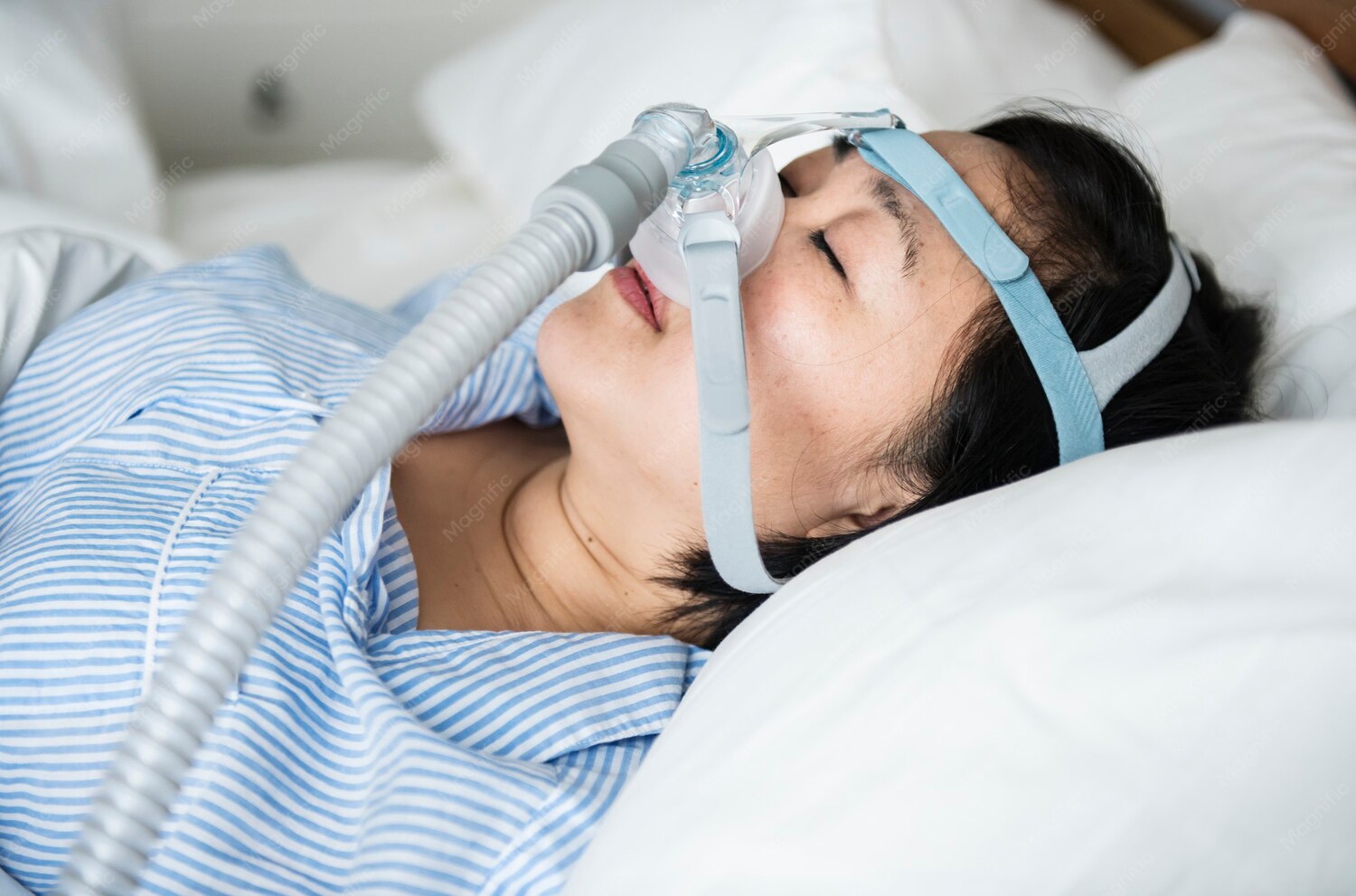
- Some patients may benefit from an oral appliance. Others may need CPAP. Some may benefit from addressing nasal breathing, tongue function, weight, jaw position, or several factors together. That's why our Natural Focus approach is built around connection rather than a single treatment.
- Better breathing. Better sleep. Better recovery. Better whole-body wellness.