
Children’s Dentistry, Airway & Function
Healthy teeth matter. So does how your child is growing.
Your child’s teeth, jaws, tongue, muscles, breathing patterns, sleep, habits, and facial development are all changing as they grow. Our pediatric approach looks beyond cavities alone—supporting healthy teeth today while paying attention to function, development, and the space needed for the future.
Explore:
Preventive Pediatric Care
Airway & Growth Screening
Myofunctional & Habit Support
Early Orthodontics & Expansion
Tongue- & Lip-Tie Care
Conservative Restorative Dentistry
Pediatric Sedation Options
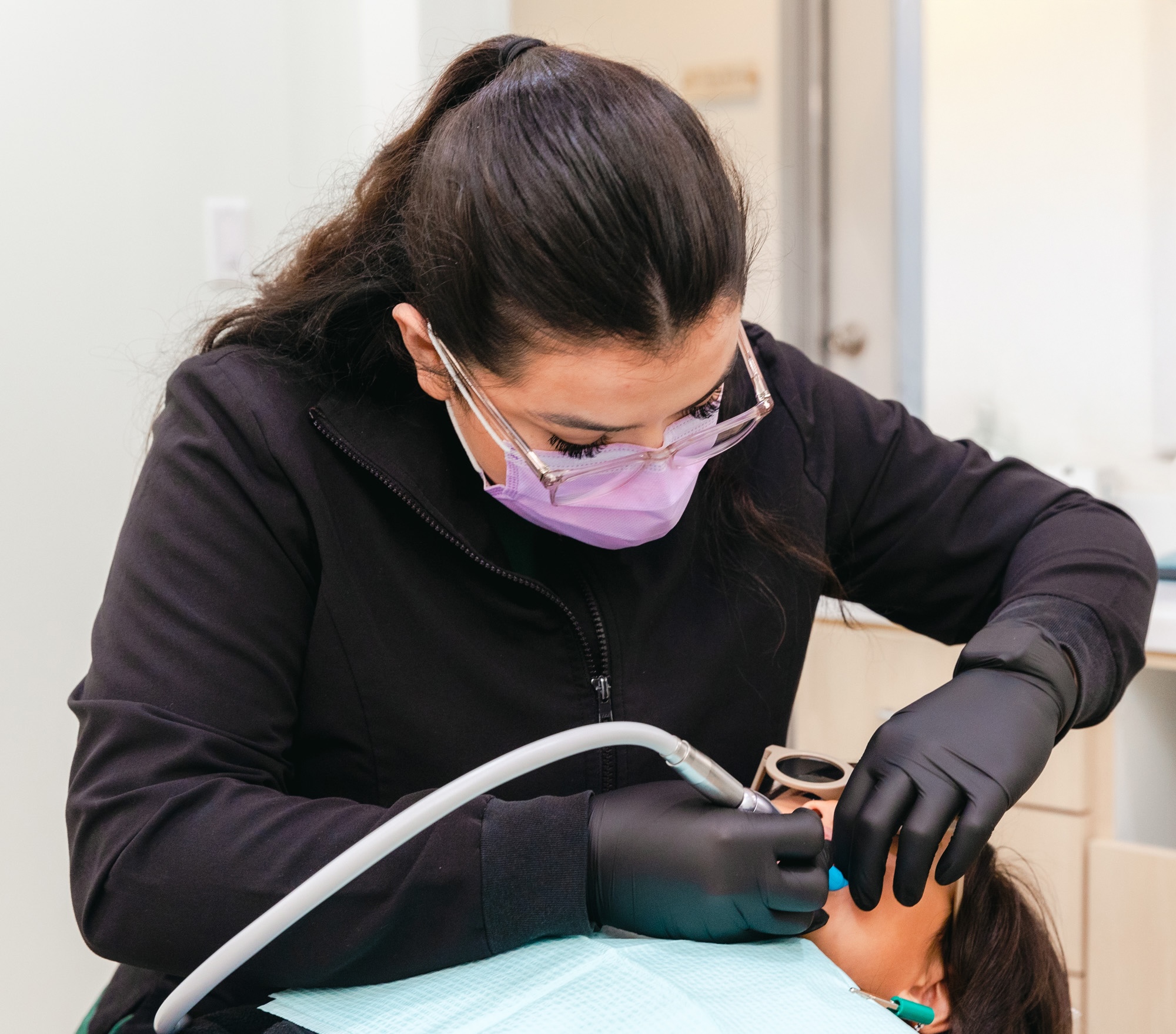
Healthy Teeth First
Our goal is to help children feel comfortable at the dentist while building healthy habits that can last.
Visits may include:
- Preventive exams and cleanings
- Cavity-risk evaluation
- Nutrition and home-care guidance
- Fluoride-free or individualized preventive options
- Growth and eruption monitoring
- Digital imaging when needed
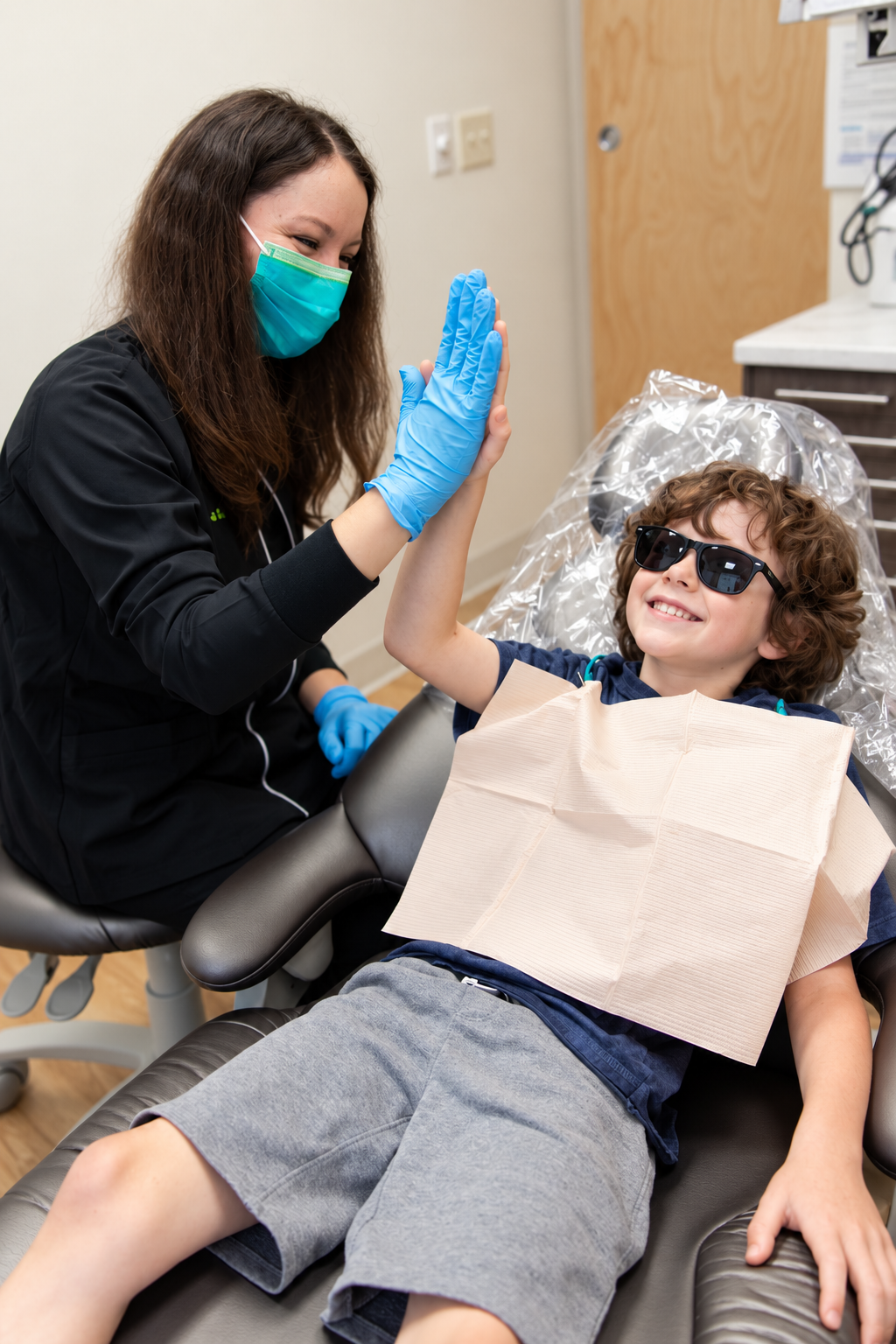
When a Tooth Needs Treatment
Conservative Pediatric Restorations
When a cavity does need treatment, we aim to treat what is necessary while preserving as much healthy tooth structure as possible.
Depending on your child’s age, the tooth involved, and the size of the cavity, restorative options may include:
Tooth-Colored Fillings
A conservative option for smaller cavities when appropriate.
Pediatric Crowns
For teeth that need more protection because of larger decay or structural weakness.
Ceramic / Tooth-Colored Options
Available in selected situations when esthetics and material choice are important.
Interim or Protective Treatment
In some cases, we may use a staged or minimally invasive approach depending on your child’s age, cooperation, cavity risk, and treatment needs.
We also look at why cavities are developing—including diet, oral hygiene, enamel quality, breathing habits, saliva, and the overall oral environment—so we are not simply repairing the same problem repeatedly.
Airway & Growth Is Part of the Dental Exam
- Airway & Growth Screening Your child’s face is still developing. We pay attention to: Nasal vs. mouth breathing Tongue resting position Lip seal Chewing and swallowing Dental arch width Crowding Bite relationships Jaw development Grinding Snoring or restless sleep When we notice concerns, we may recommend a more detailed growth, airway, or functional evaluation. Dental screening does not diagnose sleep apnea or nasal obstruction, so collaboration with pediatricians, ENTs, sleep physicians, speech therapists, or other providers may be recommended when appropriate.
Function Before Straight Teeth
- Myofunctional & Habit Support- Sometimes the first step is not braces. The tongue, lips, cheeks, jaw muscles, chewing, swallowing, and breathing habits all influence how the mouth functions during growth. Our goals may include helping your child develop: Nasal Breathing Tongue-Up Resting Posture Comfortable Lip Seal Healthy Chewing & Swallowing
The appliance is the tool. Healthy function is the goal.
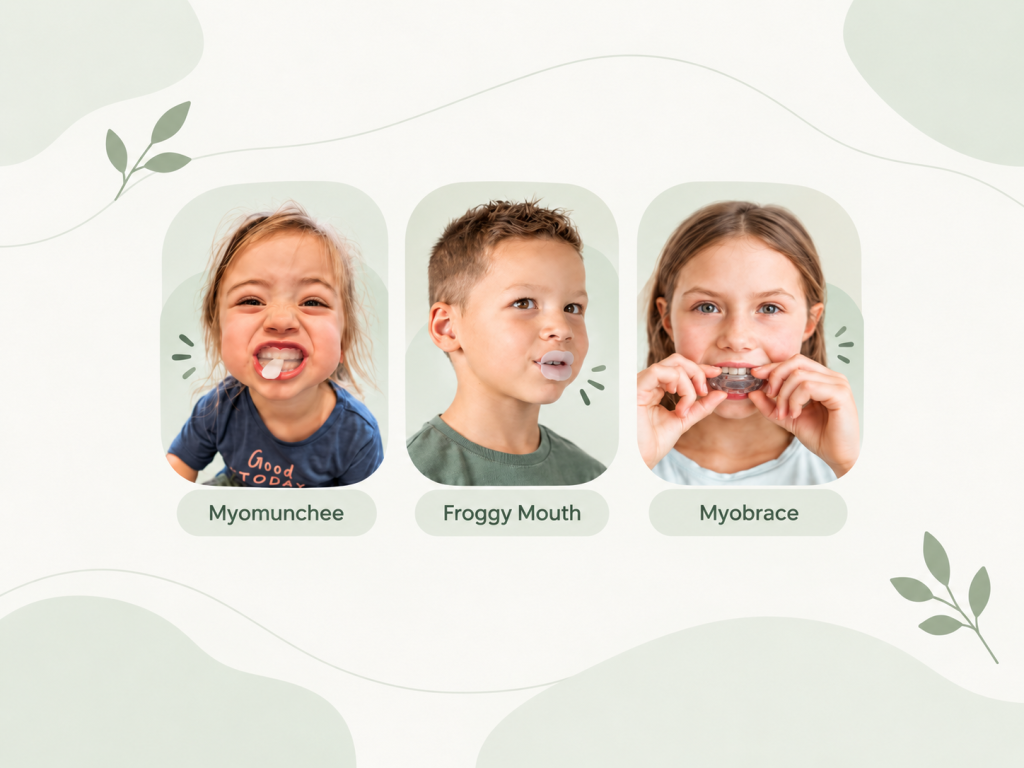
- Depending on age and individual needs, our programs may incorporate tools such as:
- Myo Munchee® —Exercise for the jaw. A soft chewing device used for guided oral-muscle activity. It may help us work on chewing, lip closure, tongue posture, swallowing patterns, and oral habits.
- Froggymouth® - Retrain the pattern. A removable functional appliance that may be incorporated when working on tongue posture, swallowing patterns, and oral muscle habits.
- Myobrace® — Support function while your child grows. A removable system that may be used to address oral habits and function while guiding developing teeth and dental arches. It may be combined with exercises, monitoring, expansion, or orthodontic treatment depending on the child.
Early & Growth-Focused Orthodontics
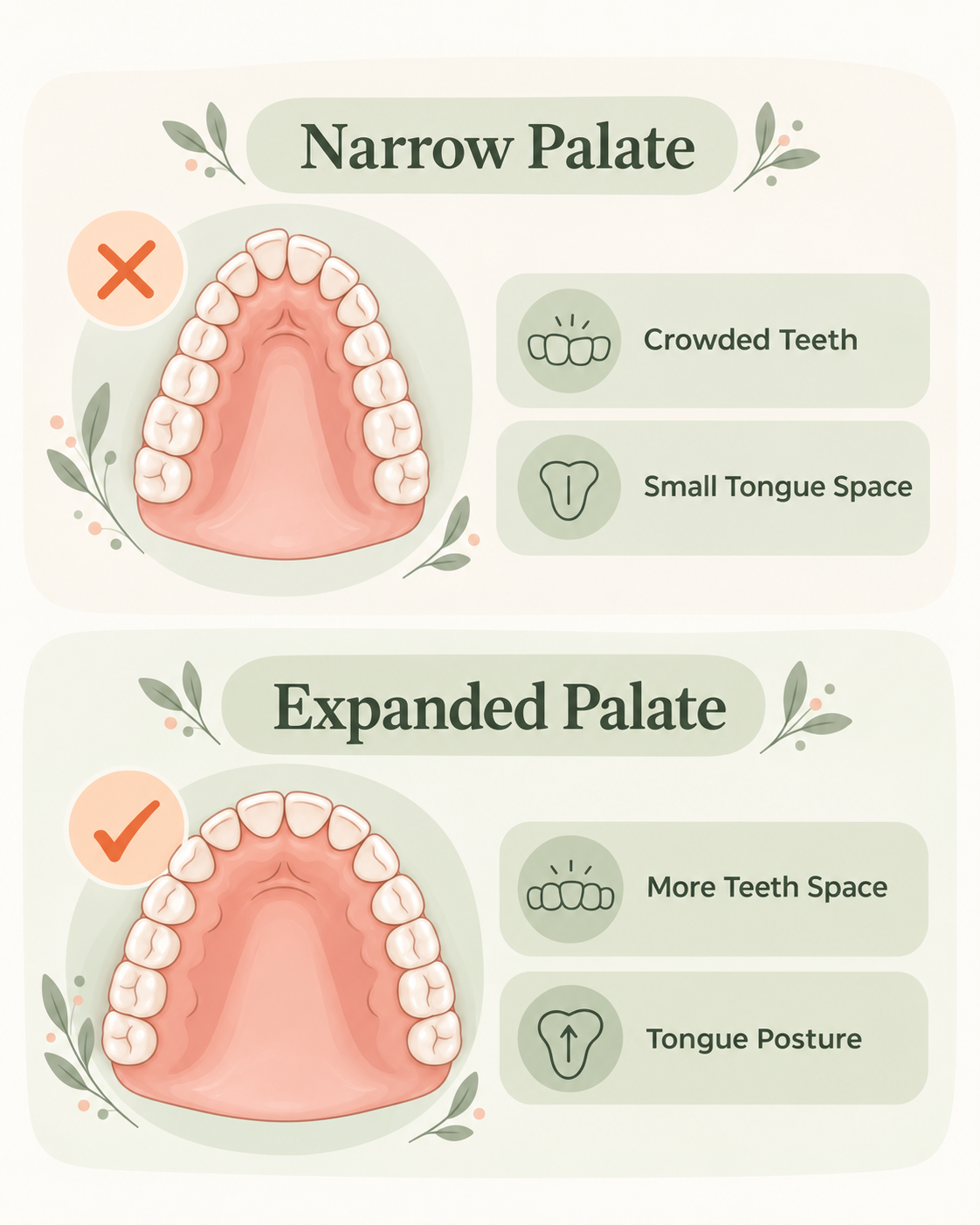
- Make Room for Growth: Straight teeth are only one part of orthodontic care.
During growth, we also evaluate:
● Space for developing teeth
● Dental arch development
● Bite relationships
● Tongue space
● Oral habits
● Jaw growth
● Breathing and function
- Sometimes the best approach is simply to monitor. Other children may benefit from early orthodontic treatment, expansion, myofunctional therapy, or a combination of approaches while growth is still occurring.
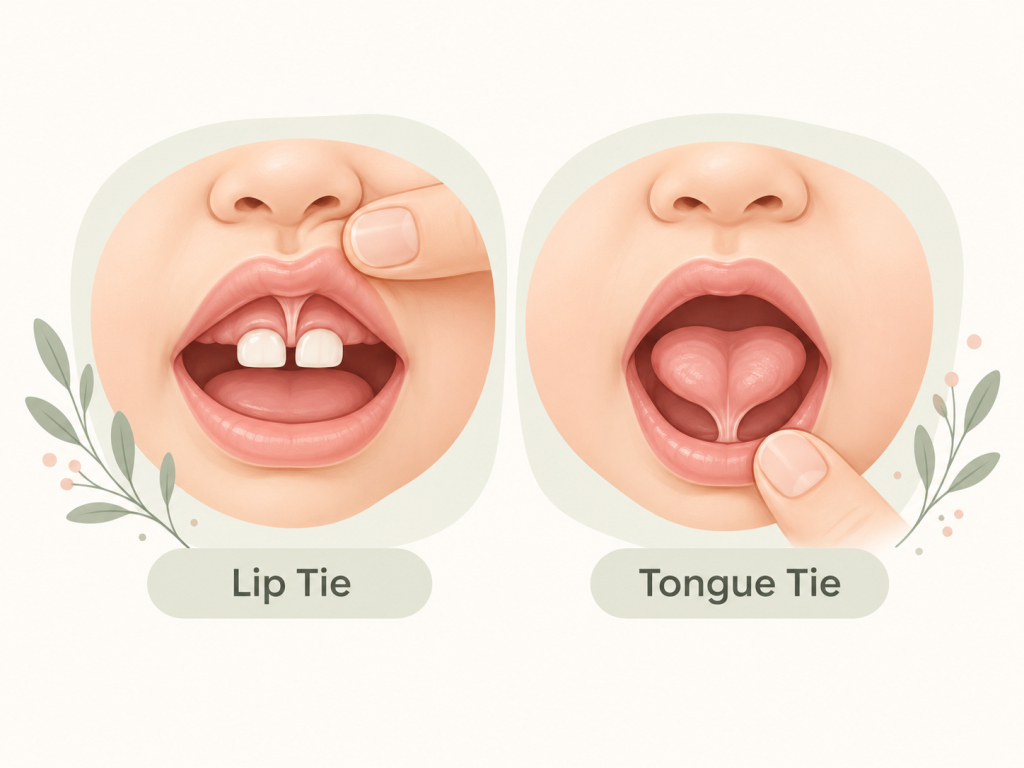
Tongue- & Lip-Tie Evaluation
- A restricted tongue or lip frenulum can sometimes affect feeding, tongue mobility, swallowing, speech, oral hygiene, or oral-function patterns. We evaluate function—not appearance alone. When appropriate, we collaborate with lactation consultants, speech-language pathologists, myofunctional therapists, and other healthcare providers before determining whether a frenectomy may be helpful.
Comfort & Sedation Options
- When Your Child Needs More Support
- Some children need more support to comfortably complete dental treatment.
- Age, anxiety, sensory needs, past dental experiences, and treatment complexity can all affect what approach is best.
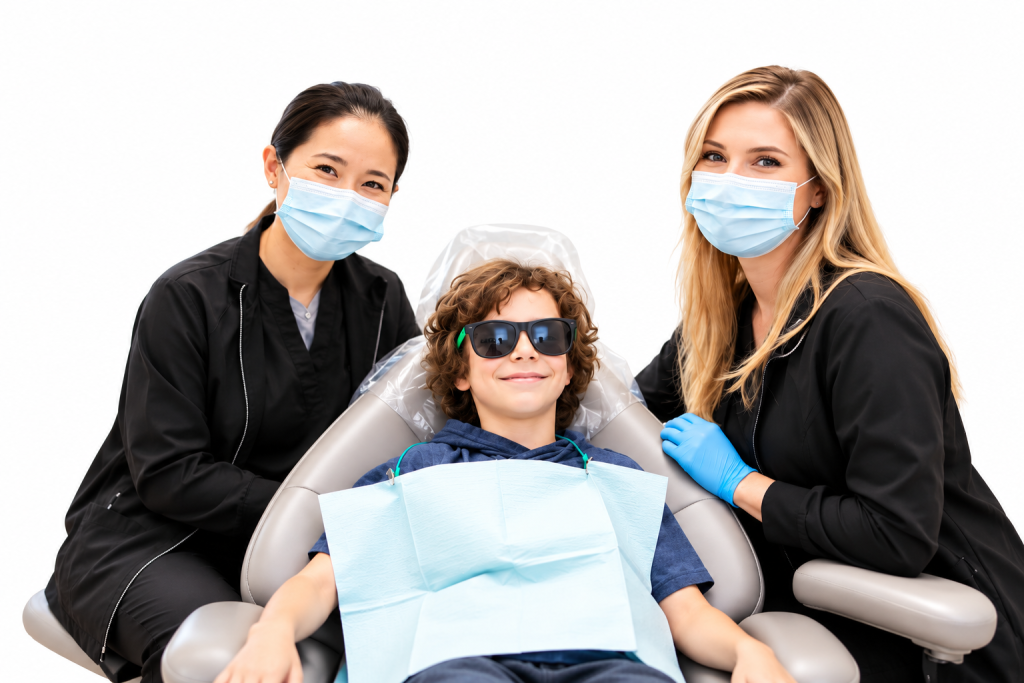
- We begin with gentle communication and behavior guidance whenever possible. When appropriate, sedation may also be considered based on the child’s health, age, treatment needs, and level of anxiety.
We’re Watching More Than Teeth
- As your child grows, we are paying attention to: Teeth. Breathing. Tongue. Jaws. Sleep. Habits. Function. Because healthy development is not one isolated piece—it is how all of those pieces work together.